Compare Two Artworks With One Question at a Time
Give a comparison a clear scope so that noticing differences does not become a contest between pictures.
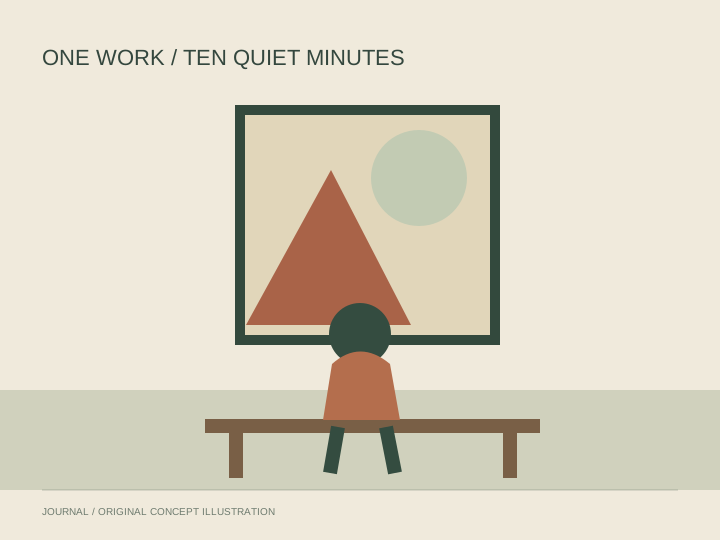
Putting two artworks beside one another can reveal details that a single picture leaves unnoticed. It can also lead to a rushed verdict about which one is better. A narrower question helps keep the comparison grounded in looking.
Pick a relationship rather than a winner
Choose one question that both images allow you to explore. For example: how does each arrange open and occupied space? Another session might focus on the contrast between light and dark areas. Avoid trying to compare subject, technique, mood, historical context and personal preference in the same first paragraph.
Use reproductions that are large enough to examine comfortably, and write down any obvious limitations. A tiny cropped image and a detailed full view do not offer equivalent evidence. Do not turn a difference in image quality into a claim about the original work.
Give each picture its own description
Write two or three observations about the first artwork, then do the same for the second. Resist using the second as merely the opposite of the first. Each should receive a description that makes sense before the comparison begins.
Formal elements such as shape and space provide useful descriptive vocabulary. Use only the terms that help you point to something. A short plain sentence can be more informative than an unsupported technical word.
Compare the evidence
Place one observation from each description together. Explain the relationship you notice, then identify what remains uncertain. Perhaps an apparently empty region changes the way you attend to a nearby figure in one work, while several overlapping forms guide you elsewhere in the other.
Those are possible accounts to test by looking back, not findings you should impose on any pair of images. If the selected question proves unhelpful, change it and record why. The method serves the viewing, rather than requiring the pictures to demonstrate a planned lesson.
Finish with a new question that could guide a later visit. A good comparison can leave you more curious about both artworks without ranking them or claiming to know their makers' intentions.